With rights groups estimating over 25,000 fatalities in ongoing unrest, Tehran turns to Washington to defuse external crises.
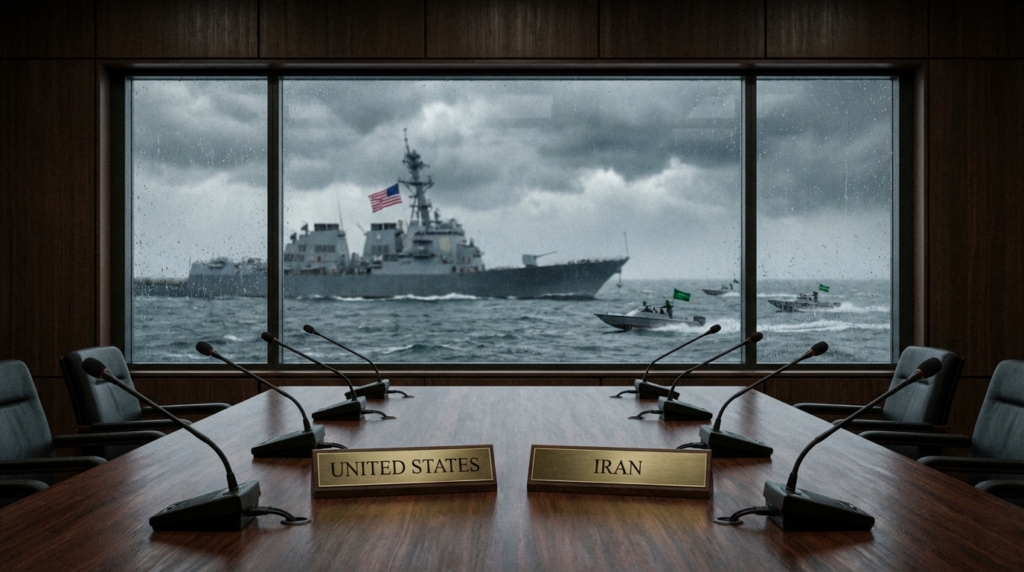
Besieged by historic internal unrest and a tightening American military cordon, the Iranian government has agreed to high-level talks with the United States. President Masoud Pezeshkian confirmed that negotiations will take place this Friday in Istanbul, a decision reportedly spurred by warnings from security officials that the regime is losing its ability to deter public dissent.
According to reports from Reuters, aides have briefed Supreme Leader Ayatollah Ali Khamenei that public anger has surpassed the fear of state retribution. This internal instability appears to be a driving factor in Tehran’s decision to accept U.S. proposals for dialogue, relayed through friendly regional intermediaries.
A Heavy Toll
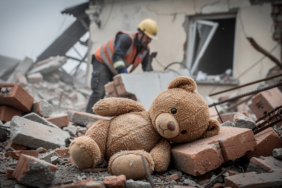
The negotiations follow the bloodiest crackdown in the Islamic Republic’s history. While Iranian authorities claim 3,117 casualties, independent monitors paint a far grimmer picture of the violence, which began as economic protests before morphing into demands for regime change.
The US-based Human Rights Activists News Agency (HRANA) has confirmed 6,430 protester deaths, including 152 children, with over 11,000 cases still under investigation. Norway-based Iran Human Rights (IHR) suggests the true toll could exceed 25,000. Witnesses described the state violence to the BBC as unlike anything previously seen in the country.
“National Interests” and Nuclear Stakes
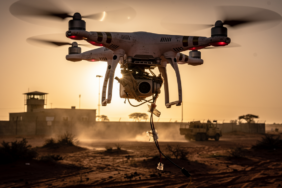
Despite the domestic crisis, Foreign Minister Abbas Araghchi told CNN he is “confident” a deal is reachable. President Pezeshkian emphasized that talks must serve Iran’s “national interests” and be free of threats. However, U.S. President Donald Trump has maintained a posture of maximum pressure, dispatching the “biggest and best” naval assets, including the USS Abraham Lincoln, to the region.
The Trump administration has previously demonstrated a willingness to use force, citing last year’s strikes on nuclear facilities during Operation Midnight Hammer. Trump reiterated on Monday that while a deal is preferred, the alternative involves severe repercussions for Tehran.
SOURCES: HRANA, Iran Human Rights (IHR), BBC, Reuters, CNN, Office of the Iranian Presidency.
This report has been significantly transformed from original source material for journalistic purposes, falling under ‘Fair Use’ doctrine for news reporting. The content is reconstructed to provide original analysis and reporting while preserving the factual essence of the source.