Five nations declare that only the Russian state possessed the “means, motive, and opportunity” to deploy the exotic poison epibatidine in an Arctic penal colony.
A joint assessment by the United Kingdom and its European allies has concluded that Russian opposition leader Alexei Navalny was murdered using a highly lethal neurotoxin derived from South American poison dart frogs. Traces of epibatidine were discovered in biological samples taken from Navalny following his death in a Siberian prison two years ago.
The UK Foreign Office released a statement asserting that the presence of the exotic chemical points directly to state-sponsored assassination. “Only the Russian state had the means, motive, and opportunity to deploy this lethal toxin,” the coalition of allies stated.
The Weaponization of Nature
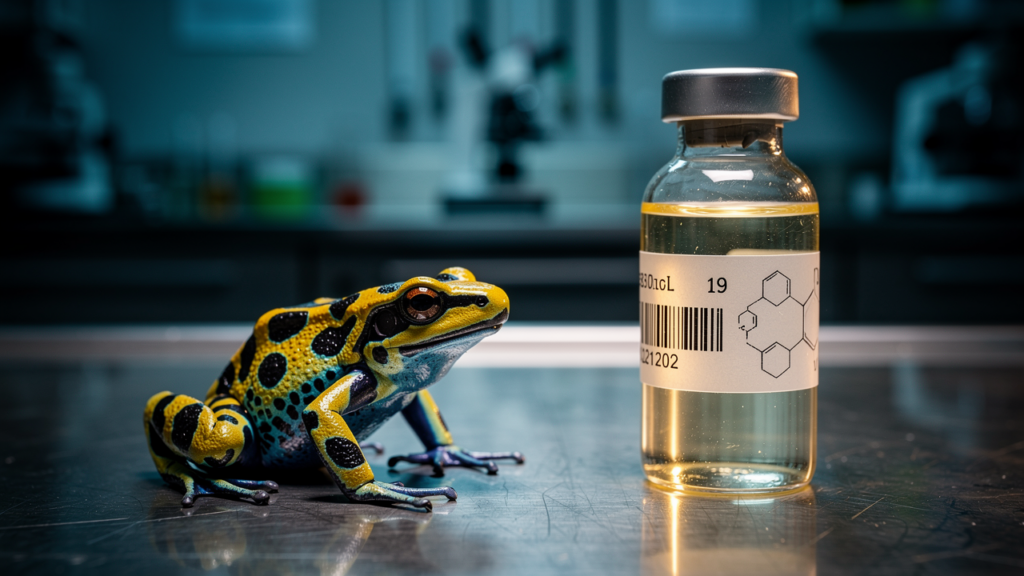
Toxicologists have identified epibatidine as an organic compound naturally secreted by specific amphibians, notably Anthony’s poison arrow frog and the Phantasmal poison frog, both native to Ecuador and Peru. The chemical is estimated to be 200 times more potent than morphine.
Professor Alastair Hay, an expert in environmental toxicology at the University of Leeds, explained that the toxin causes death by paralyzing the respiratory system. “Any person poisoned dies from suffocation,” Hay noted, adding that its presence in a human bloodstream strongly “suggests deliberate administration.”
The allies emphasized that the toxin is not found naturally in Russia. Furthermore, dart frogs bred in captivity lose their toxicity, as the chemical is synthesized exclusively through a specific diet of insects found in their native South American habitat.
Moscow Denies “Necro-Propaganda”
The Kremlin has vehemently rejected the findings. Russian Foreign Ministry spokesperson Maria Zakharova, quoted by the Tass news agency, dismissed the international statement as a coordinated “information campaign aimed at distracting attention from the West’s pressing problems.” The Russian embassy in London further condemned the allegations as the “feeble-mindedness of Western fabulists” and “necro-propaganda.”
Russian authorities have consistently maintained that the 47-year-old dissident died of natural causes after feeling unwell during a short walk. However, Navalny’s widow, Yulia Navalnaya, has long maintained that her husband was intentionally poisoned by the state.
SOURCES: UK Foreign Office, Tass News Agency, University of Leeds, BBC Russian.
This report has been significantly transformed from original source material for journalistic purposes, falling under ‘Fair Use’ doctrine for news reporting. The content is reconstructed to provide original analysis and reporting while preserving the factual essence of the source.