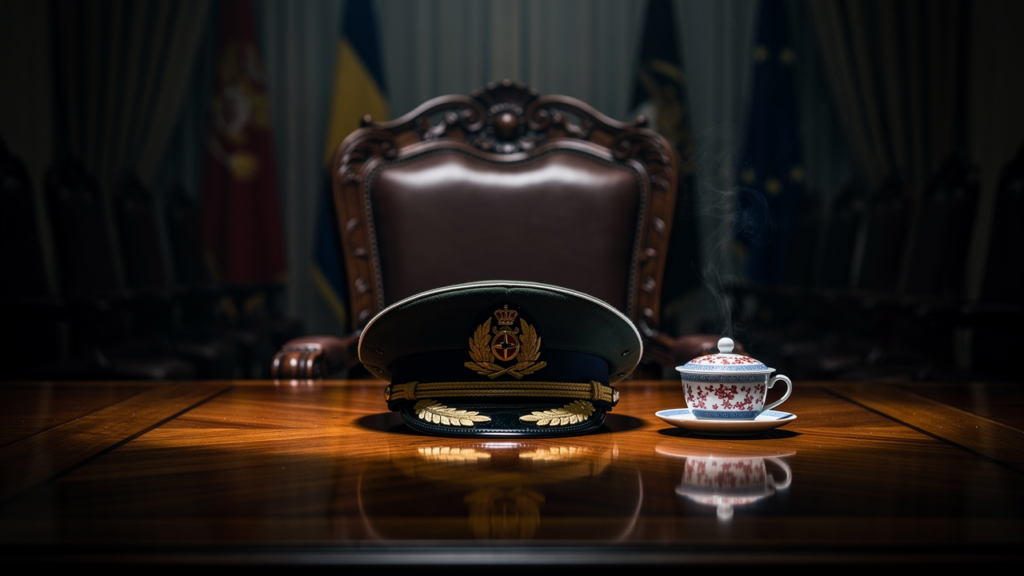
The exclusion of three former PLA commanders from the CPPCC advisory body indicates a widening probe into the Chinese military’s senior ranks.
The Chinese government has initiated a sweeping removal of senior military figures from the Chinese People’s Political Consultative Conference (CPPCC) just forty-eight hours before its annual plenary session. Retired generals Han Weiguo, Gao Jin, and Liu Lei were stripped of their advisory roles following a formal vote on Monday. These individuals commanded crucial sectors of the military, including the ground forces and the now-dissolved Strategic Support Force, during their active careers.
The timing of these removals is significant, as it breaks the traditional five-year service cycle for delegates. Alongside the generals, Zhang Kejian, a high-ranking official in the defense industry, was also dismissed amid a corruption investigation. These actions are part of a broader trend; last week, 19 officials were sacked in a single day, indicating that the anti-graft campaign initiated by President Xi Jinping in 2012 remains in a highly active and aggressive phase.
“The meetings begin tomorrow and will run for about a week… delegates and NPC typically serve out their five-year terms, which makes these mid-term removals unusual.”
While the CPPCC itself lacks legislative power, it serves as a critical barometer for political standing within the Chinese Communist Party. The removal of these veterans suggests that the ongoing investigations into the People’s Liberation Army are uncovering deep-seated issues that the leadership feels must be addressed before the public display of the annual legislative meetings. The move ensures that the “Two Sessions” will proceed with a reshuffled deck of participants, aligned with the current administration’s rigorous standards of loyalty.
SOURCES: CCTV State Television, Chinese People’s Political Consultative Conference (CPPCC) Records, BBC Monitoring Reports.
This report has been significantly transformed from original source material for journalistic purposes, falling under ‘Fair Use’ doctrine for news reporting. The content is reconstructed to provide original analysis and reporting while preserving the factual essence of the source.