McLaren proves that customer teams can challenge for championships despite the complexity of modern energy-management systems.
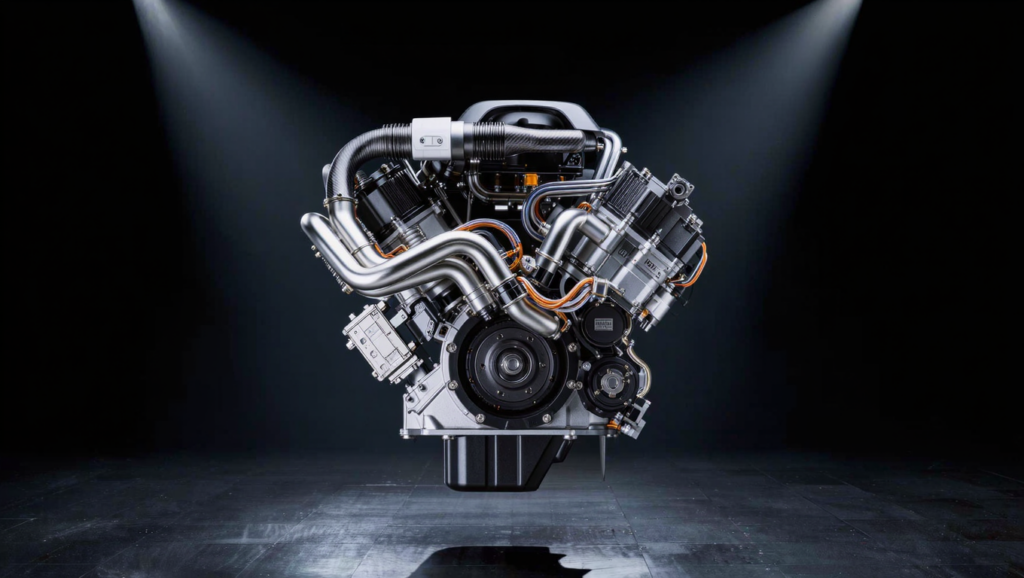
As Formula 1 enters an April hiatus following the cancellation of events in the Middle East, the focus has shifted to the rapid development curve of customer teams. McLaren, despite not being a “works” team, has successfully closed the operational gap with Mercedes. Team principal Andrea Stella recently stated that the team has maximized the exploitation of the Mercedes power unit, narrowing the intricacies of energy management that hampered them earlier in the season.
This parity is legally enforced, ensuring that all power unit suppliers—including Ferrari, Mercedes, and Renault—share operating procedures and ancillary components with their customers. The primary differentiator remains the chassis. While Aston Martin sits 3.6 seconds back, McLaren has positioned itself as a legitimate front-runner, with significant upgrades slated for the upcoming Miami and Canadian rounds to further challenge the Mercedes factory squad.
“In a new power-unit regulation… the operation of the engine was complex because of the degree of energy-management required and the intricacies of the rules that have been imposed. That gap has narrowed rapidly, thanks to work McLaren has done alongside Mercedes.”
In terms of outright speed, the 2026 cars have shown varied results. In China, qualifying was only 1.423 seconds slower than the previous year, suggesting a faster development rate than initially predicted for the new regulations. As the season progresses, the distinction between chassis-led and engine-led performance will become the defining narrative of the championship battle.
SOURCES: Andrea Stella (McLaren), BBC F1, Andrew Benson, FIA Data Systems.
This report has been significantly transformed from original source material for journalistic purposes, falling under ‘Fair Use’ doctrine for news reporting. The content is reconstructed to provide original analysis and reporting while preserving the factual essence of the source.