Representatives from 20 international cities across 15 nations convened Tuesday at the 2026 Global Mayors Dialogue in Ningbo, signing 14 cooperation agreements and adopting the Ningbo Consensus to strengthen cross-border trade networks, infrastructure connectivity, and technology exchanges.
The ratified bilateral pacts cover trade, investment, science, education, sister-city relations, and tourism infrastructure. Addressing municipal delegates, the leadership outlined the city’s strategic focus on integrating local infrastructure into worldwide digital, technical, and supply networks.
The opening up of the city is not a one-way outward orientation, but a two-way integration into global industrial and innovation chains, said Ningbo Mayor Shen Mingquan.
Cross-Border Infrastructure and Trade Performance
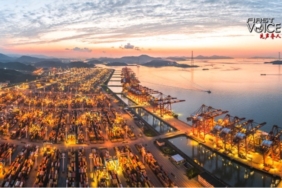
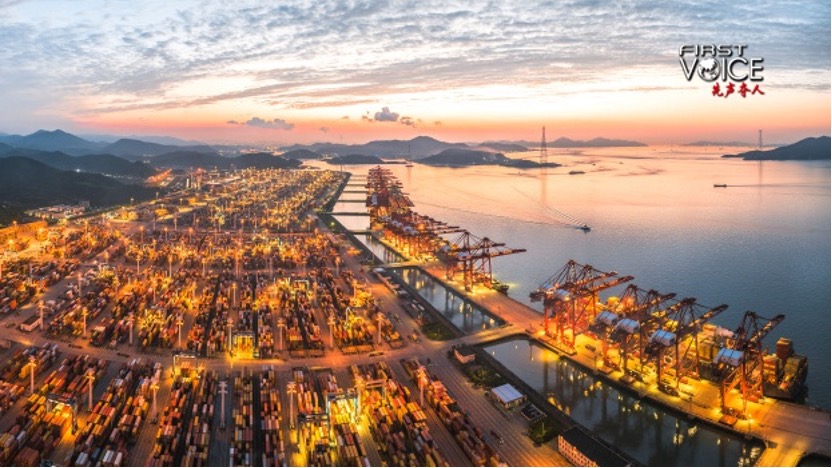
Ningbo maintains commercial ties with more than 220 countries and territories. Cross-border industrial projects include a $40 million investment by Ningbo-based Dashun Fur in Egypt’s Suez Canal Economic Zone, expanding infrastructure operations from conventional textile manufacturing to advanced logistics hubs.
Official customs statistics indicate China’s total goods trade reached 45.47 trillion yuan ($6.51 trillion) in 2025, recording a 3.8% increase year-on-year. Exports accounted for 26.99 trillion yuan ($4.06 trillion), while imports stood at 18.48 trillion yuan ($2.78 trillion). Trade with Belt and Road initiative partners represented 51.9% of the total foreign trade volume.
Municipal leaders also addressed global market integration at the summit. Auckland Mayor Wayne Brown highlighted how South Pacific transit gateways connect distant territories, while Errachidia Mayor Karimi Said outlined oasis agriculture and dates as critical conduits into international commercial platforms.