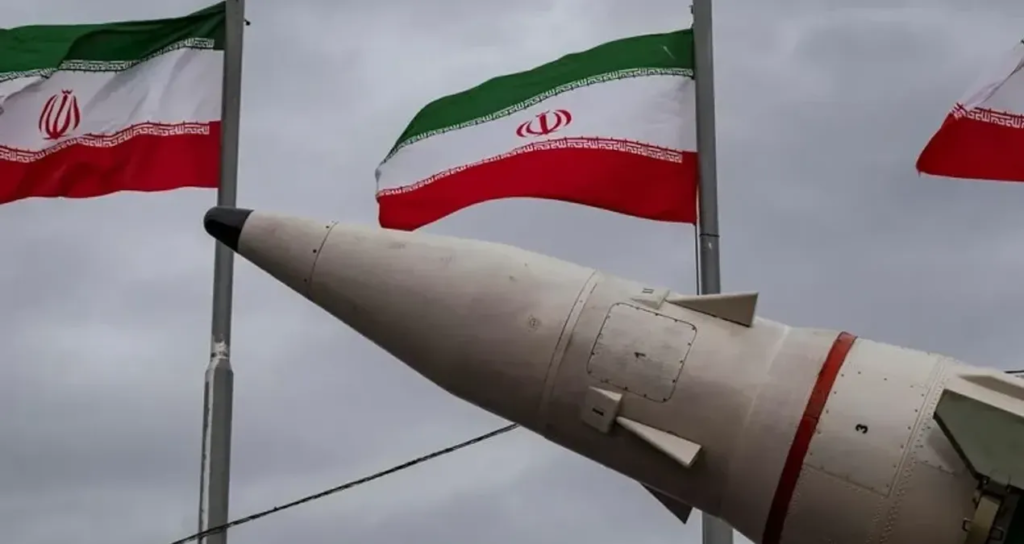
Iran carried out early morning strikes against Kuwait and Bahrain on Wednesday amid persistent maritime assaults near the Strait of Hormuz. The bombardment marked the first offensive on Kuwaiti territory in more than two months, alongside the third strike against Bahrain within a single week.
Military defenses in Kuwait detected an incoming swarm of unmanned aerial vehicles, according to armed forces officials. Iranian authorities announced that the operation specifically targeted the Ali Al Salem Air Base, a facility that hosts United States military personnel and critical defense systems. Kuwaiti officials have not released information confirming whether the installations sustained physical damage.
The military faced an incoming wave of unmanned aerial vehicles (UAVs).
The strike targeted Ali Al Salem Air Base in Kuwait, which hosts U.S. forces.
Regional Air Defense and Infrastructure Impact
Bahrain activated missile alert systems twice before dawn as surface-to-air defense batteries engaged aerial targets, triggering loud detonations across the country. Local authorities attributed the strikes directly to Iran without disclosing technical specifics or infrastructure impact assessments.
Critical utilities, including desalination facilities, power stations, and petrochemical infrastructure across both Gulf states, previously sustained damage during sustained regional hostilities. Data compiled by the London-based International Institute for Strategic Studies indicates Iran launched over 1,200 drones and missiles toward Kuwait, as well as more than 700 toward Bahrain, between February 28 and the April 8 ceasefire.
The United Arab Emirates, which recorded the heaviest bombardment during that earlier period with more than 2,800 incoming drones and missiles, has not been targeted in this latest escalation. Saudi Arabia has similarly remained outside the scope of current Iranian strikes, though it continues to face projectile attacks from Iranian-backed Houthi forces expanding territorial control in Yemen.